The difference no one explains
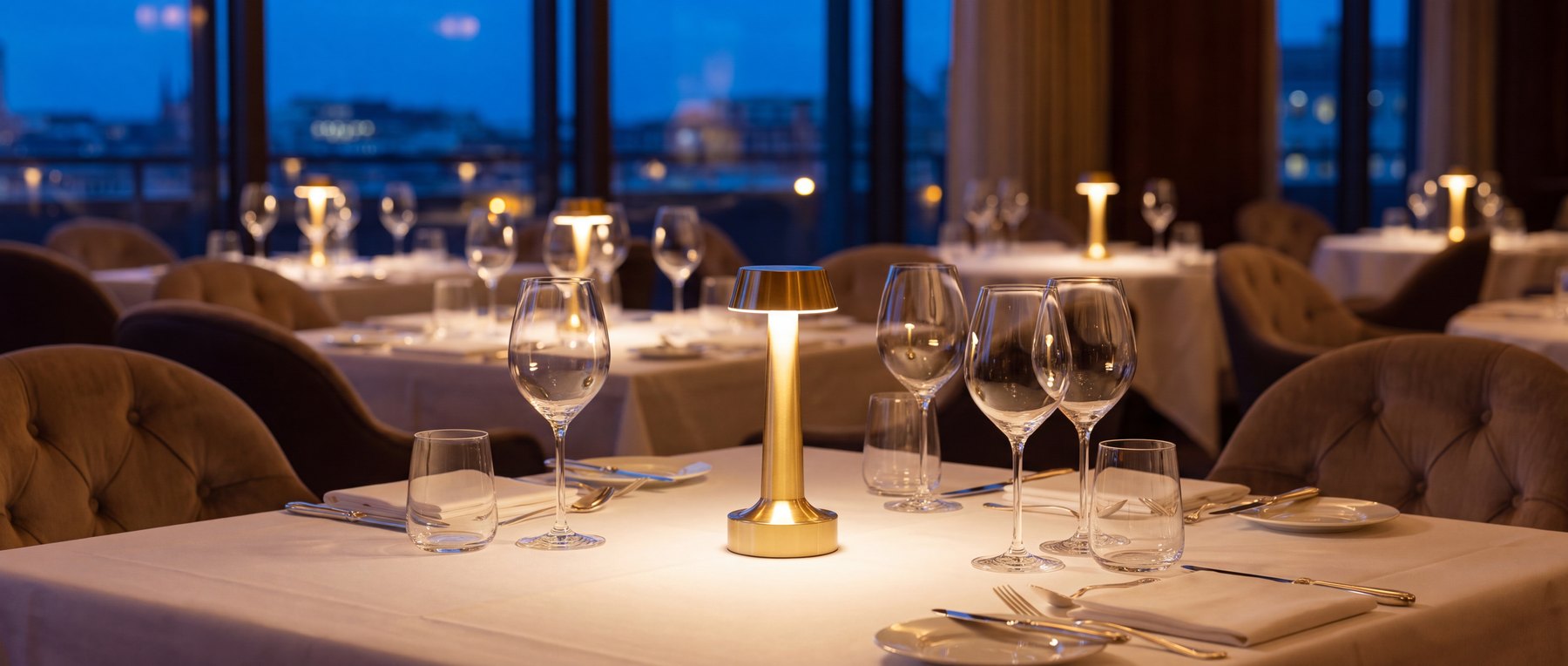
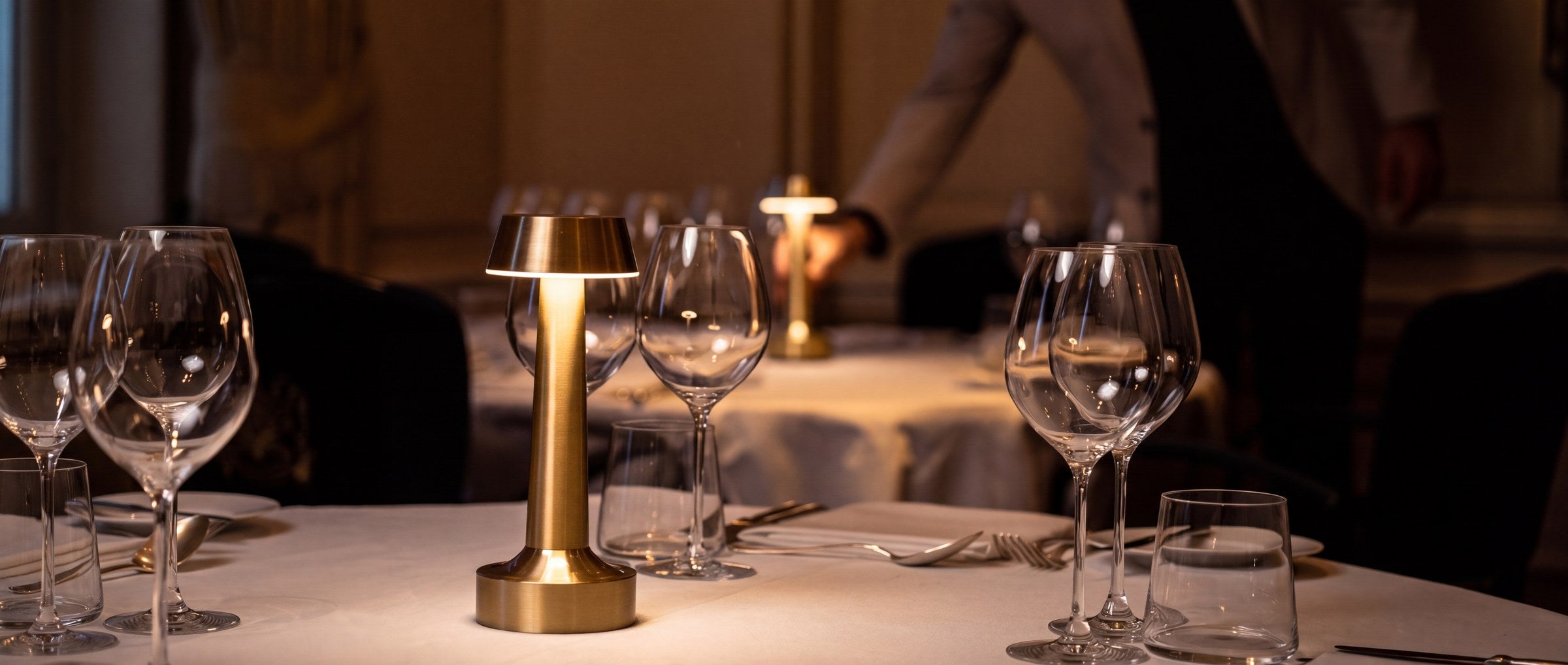
Most rooms have light. Few have lighting.
One is a lamp switched on. The other is a decision the whole room can feel, long before anyone can name it.
One fills the room. The other commands it.
Light is just a lamp that turns on. One table, one glow, no connection to the next. Lighting is a decision.
Eight lamps means eight separate decisions, each on its own. You know the look. The table by the window that reads a little brighter. The corner that goes flat after the sun drops. The lamp someone dimmed at the start of service that nobody turned back up.
None of it is broken. It just never agreed on one look for the room. Not a failure of taste. A failure of category. They were sold a beautiful object and told it was a solution. It was never a solution. It was an object.
See it for yourself
One room, two ways.
Same eight tables. Switch between what a room of lamps does, and what one system does to it.
Eight lamps. Eight decisions. The room never agrees.

Light leaves you with eight rooms. Lighting gives you one.
Where the lamp came from
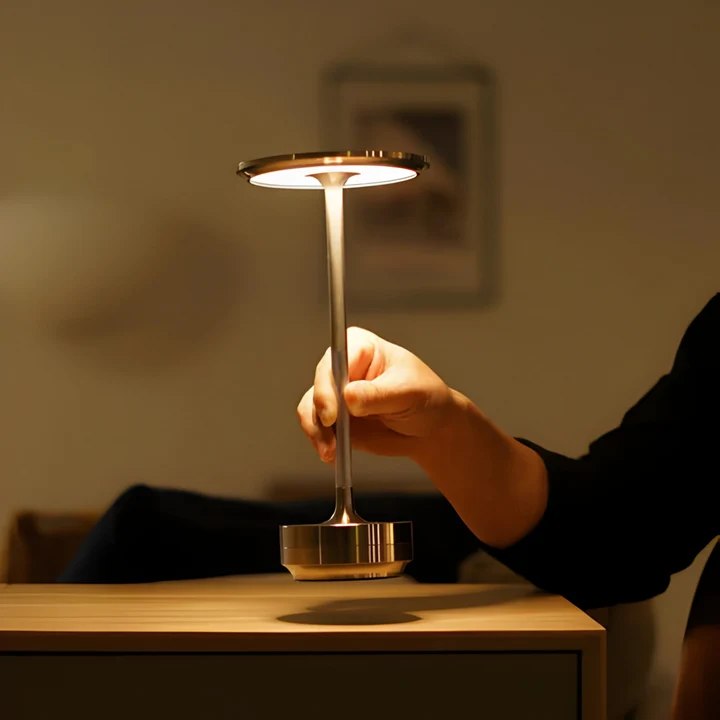
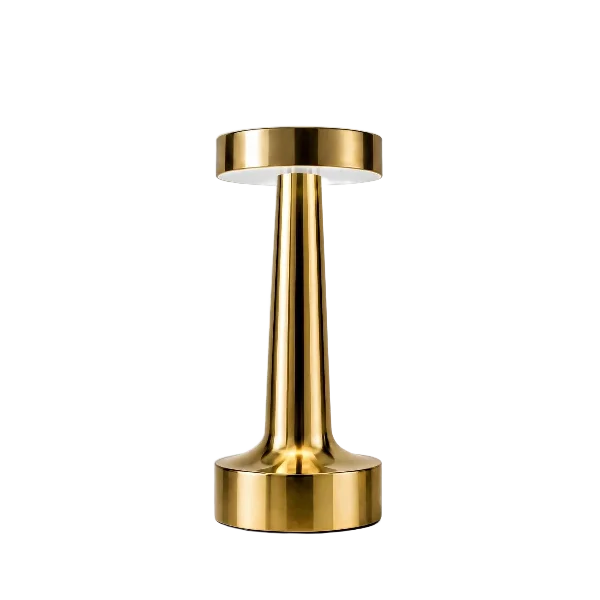
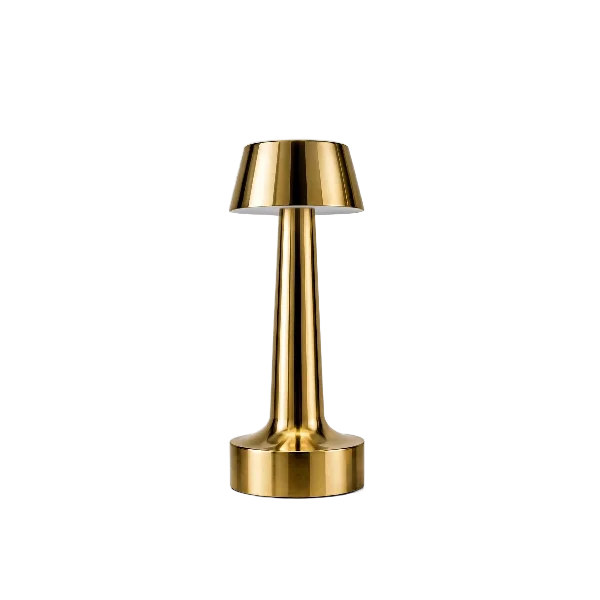
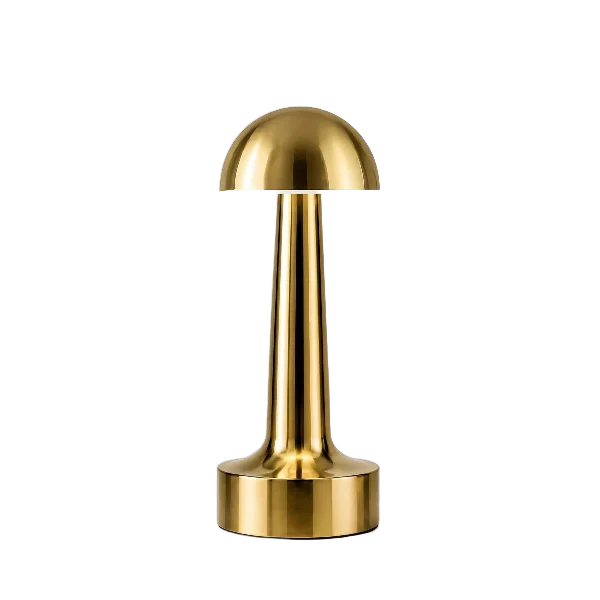
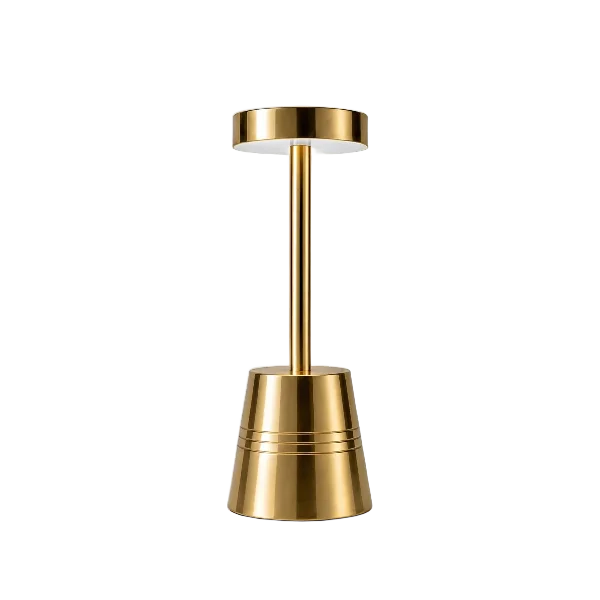
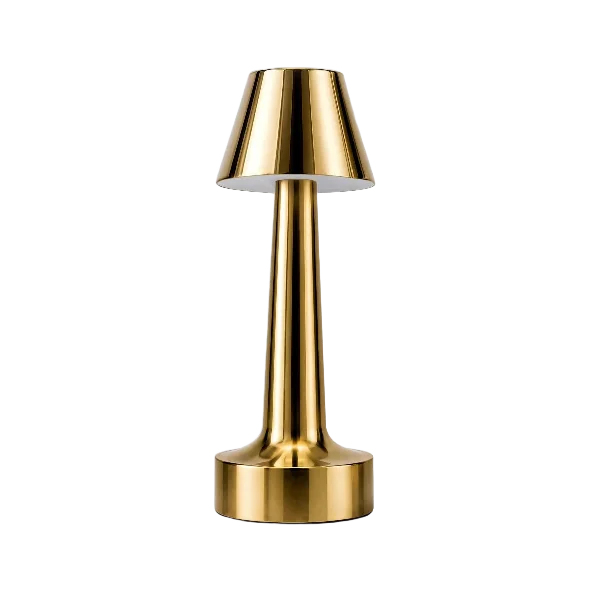
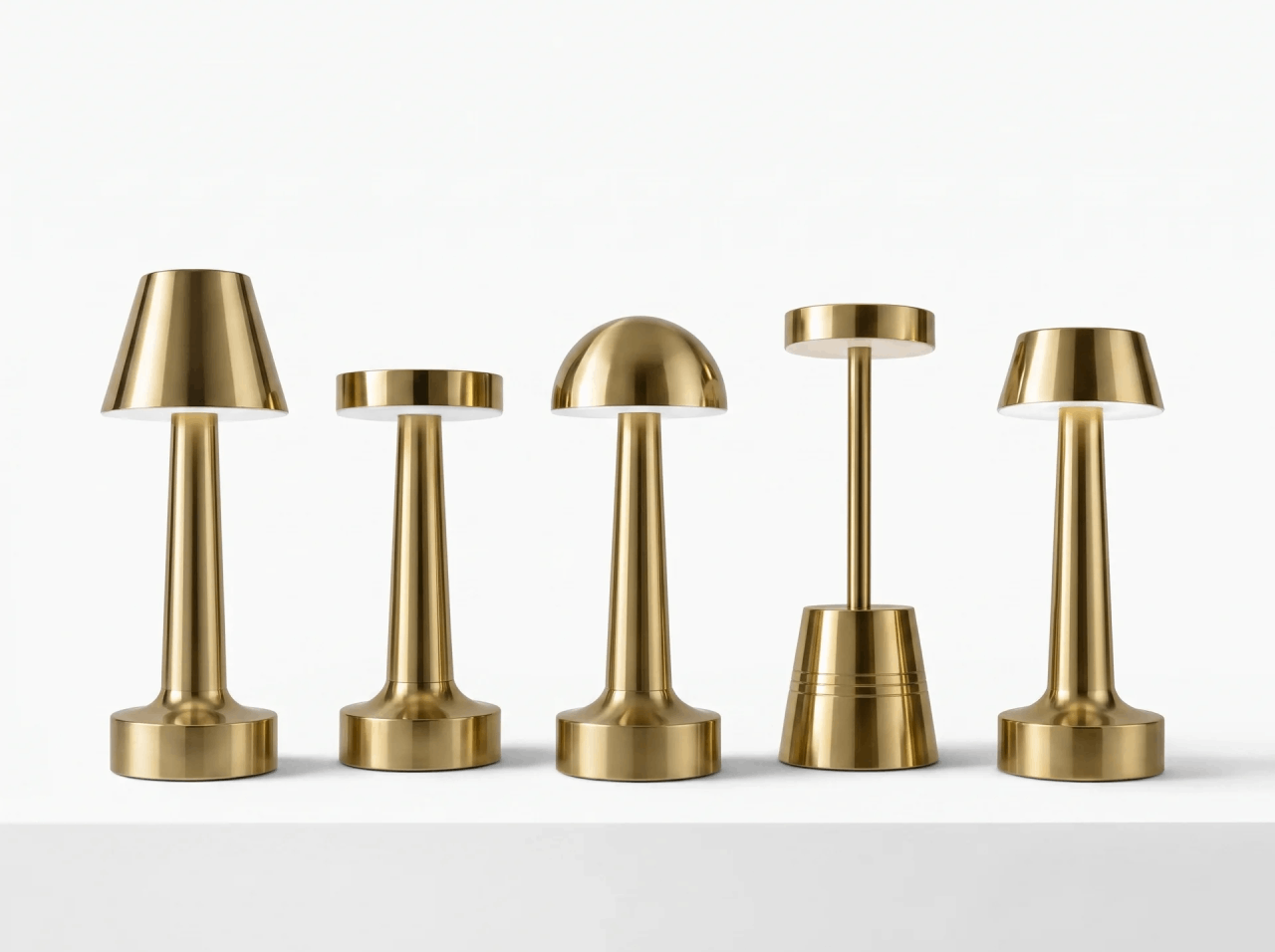
Most of them came from the same place. A living-room lamp with a word attached. Designed for a sofa, a garden terrace, a phone charger, then quietly resold into hospitality because it looked the part. They wrote the label themselves. It was never built for your restaurant.
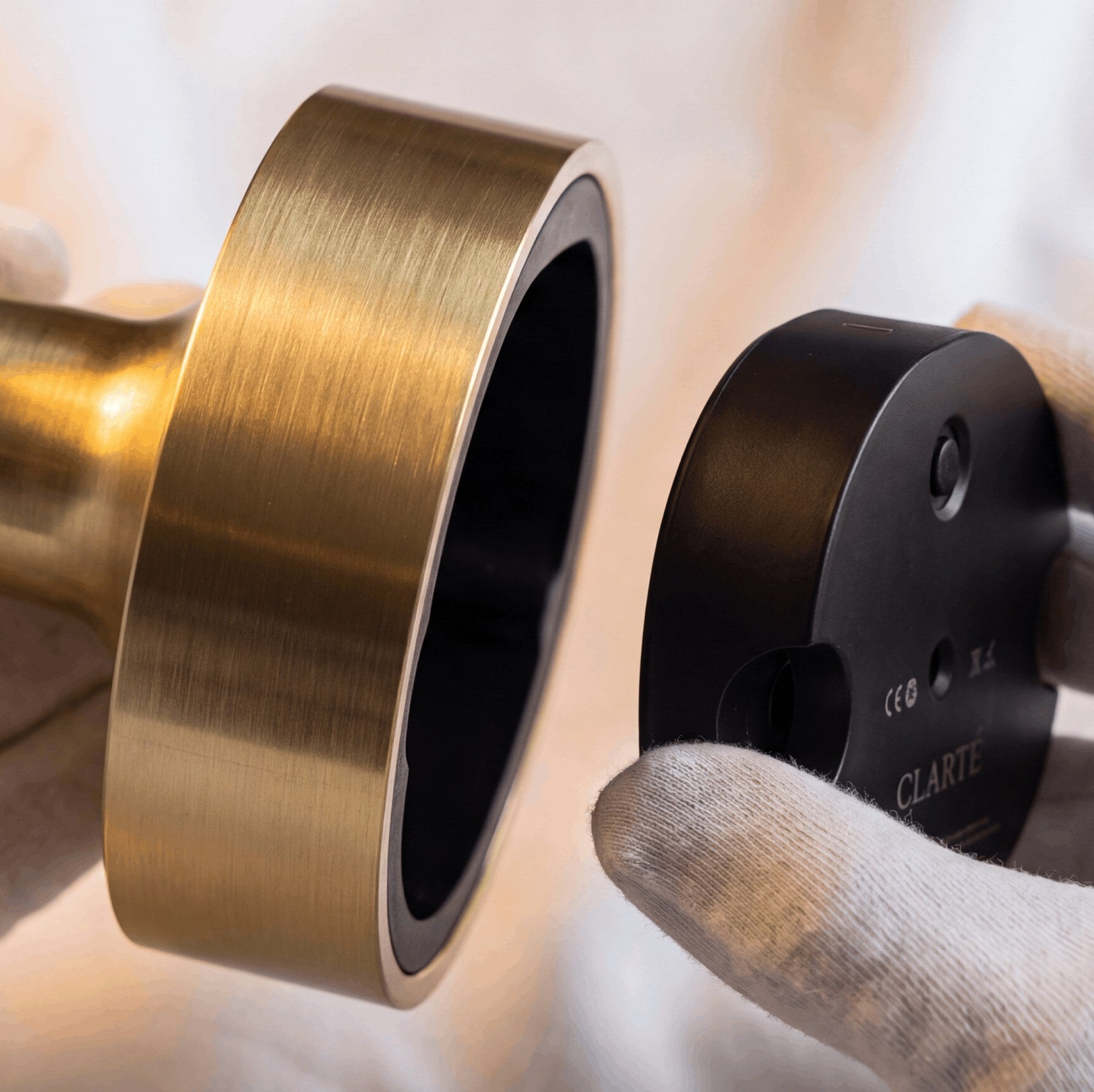
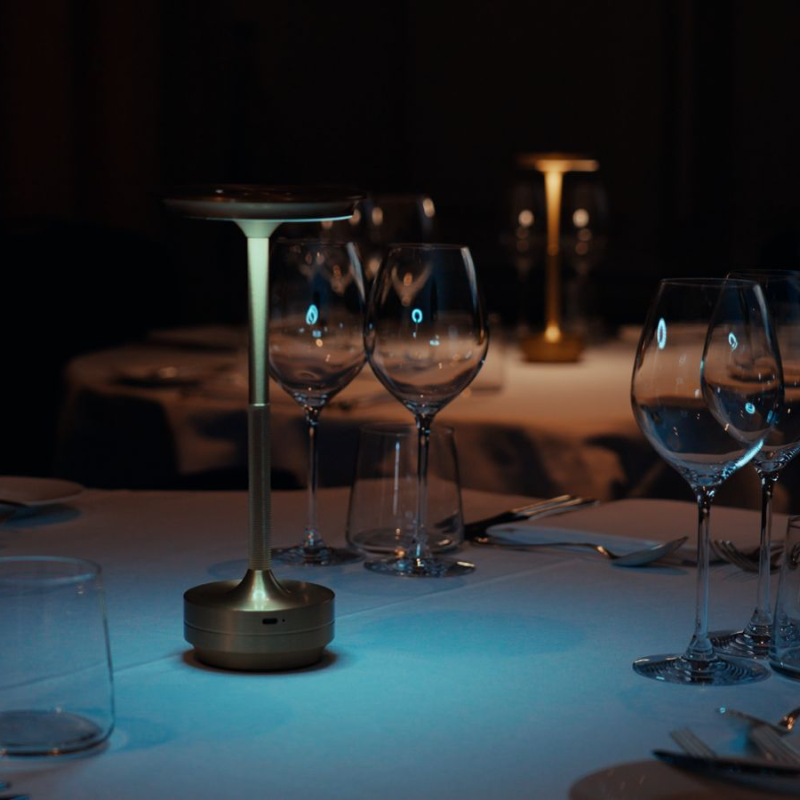
Read what one actually promises. Touch to dim, until every guest at the table can change your room. Up to ten hours, meaning lowest setting, new battery, day one, while service runs twelve. And when it dies, the battery is sealed in, so the whole lamp leaves the table to charge.
Charge it overnight, and a lamp that is charging is a lamp that is missing from the floor.
A home lamp is touched twice a day. A lamp in your venue, a hundred times.
Bought one at a time, nothing held them together. No shared warmth. No single hand to bring the room back to one look. So it drifts, table by table, until the atmosphere depends on which lamp survived the shift.
What the box promises
Every promise reads well in the listing.
None of them survive a service.
The box says
Touch to dim
So every guest at the table can change your room. The atmosphere is gone by the second course.
The box says
Up to ten hours
Meaning lowest setting, new battery, day one. Service runs twelve, and the cell fades from there.
The box says
Rechargeable
But a lamp on a cable is off the table. A room loses a setting every time one goes back to charge.
The distinction
Light is what each lamp does alone.
Lighting is what they do together.
What lighting actually is
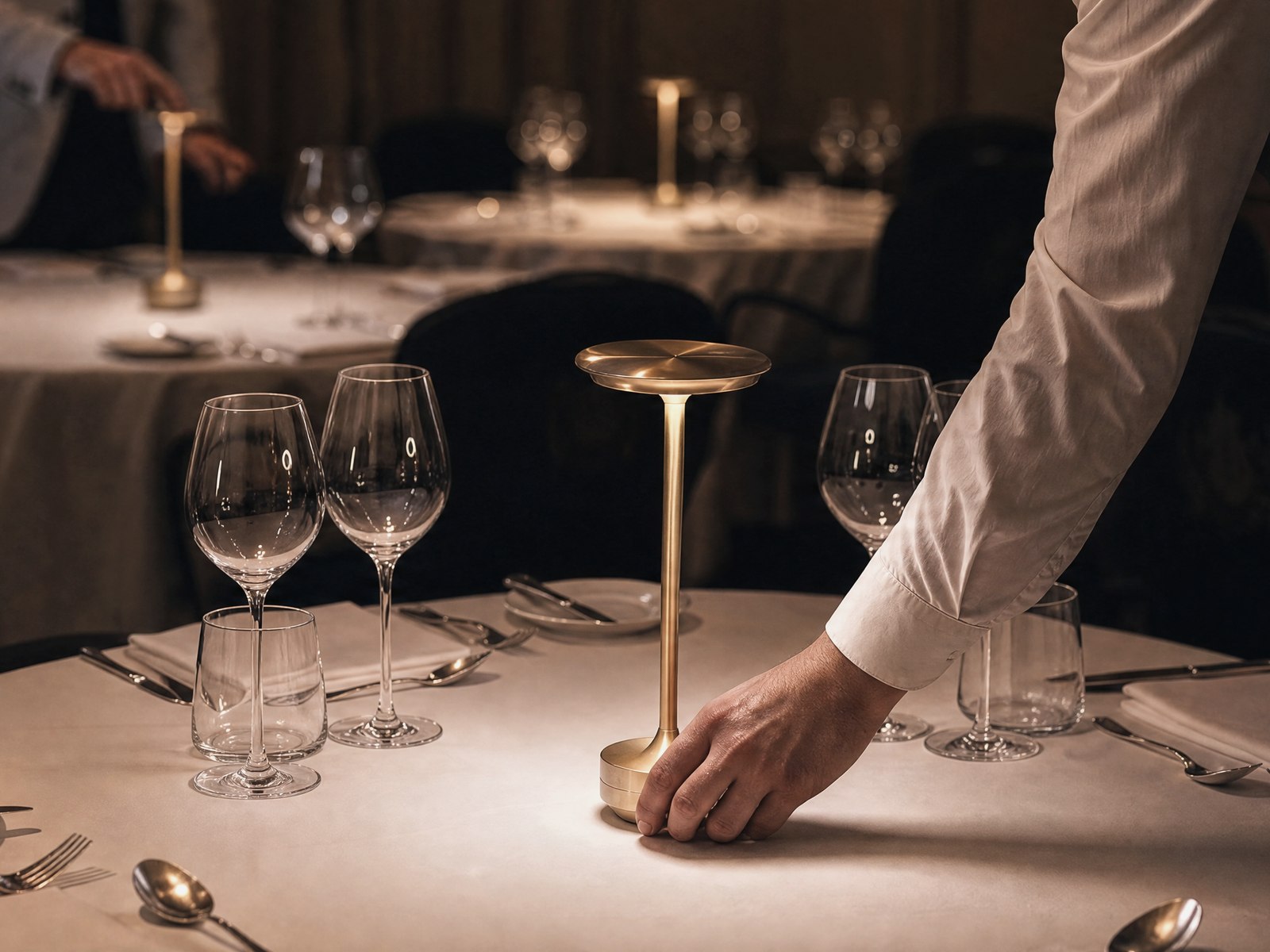
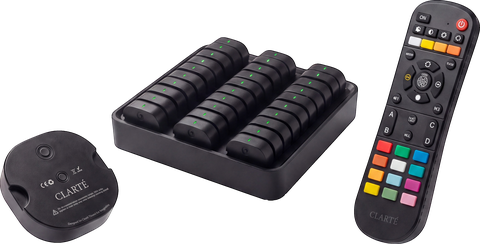
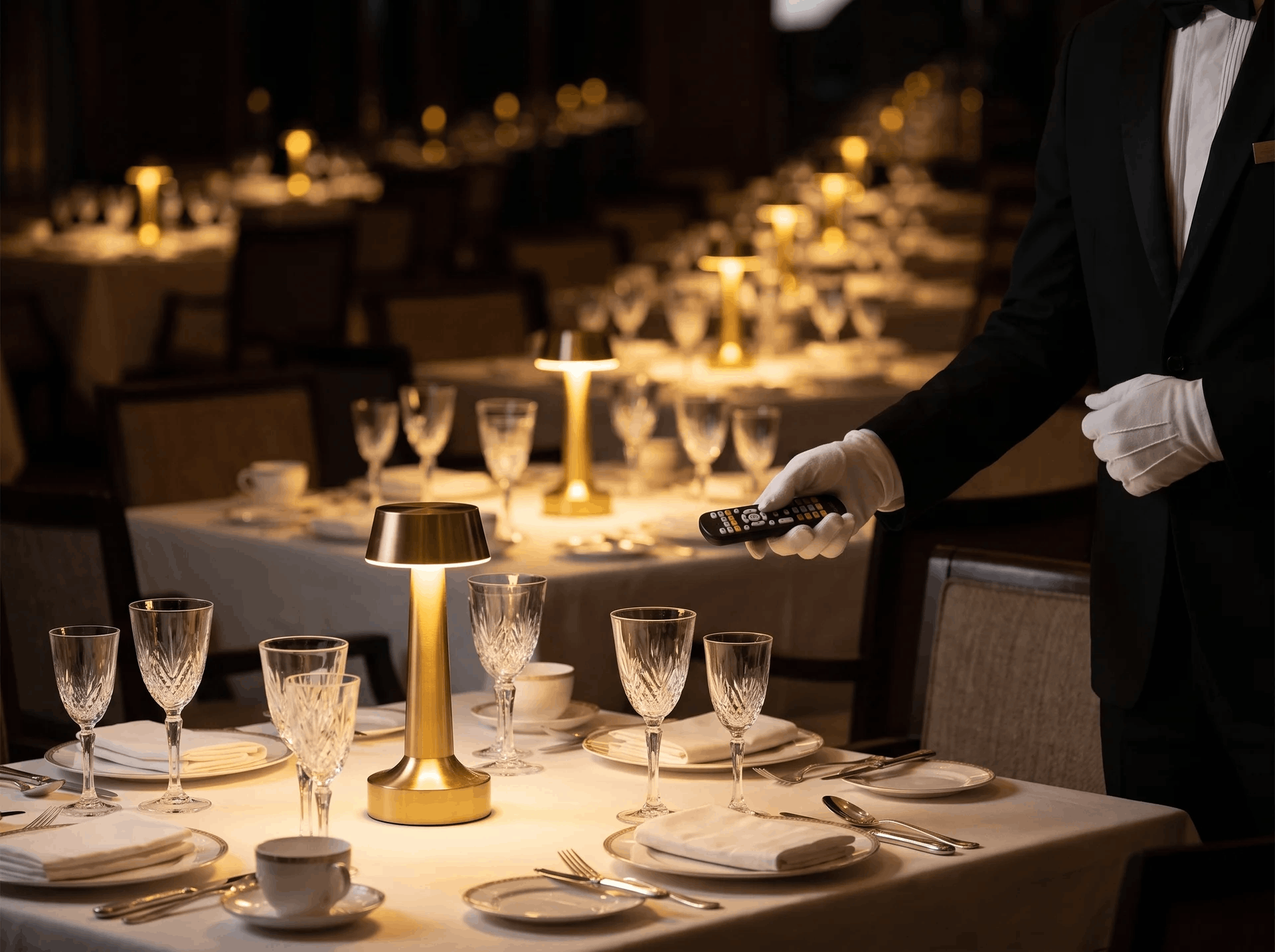
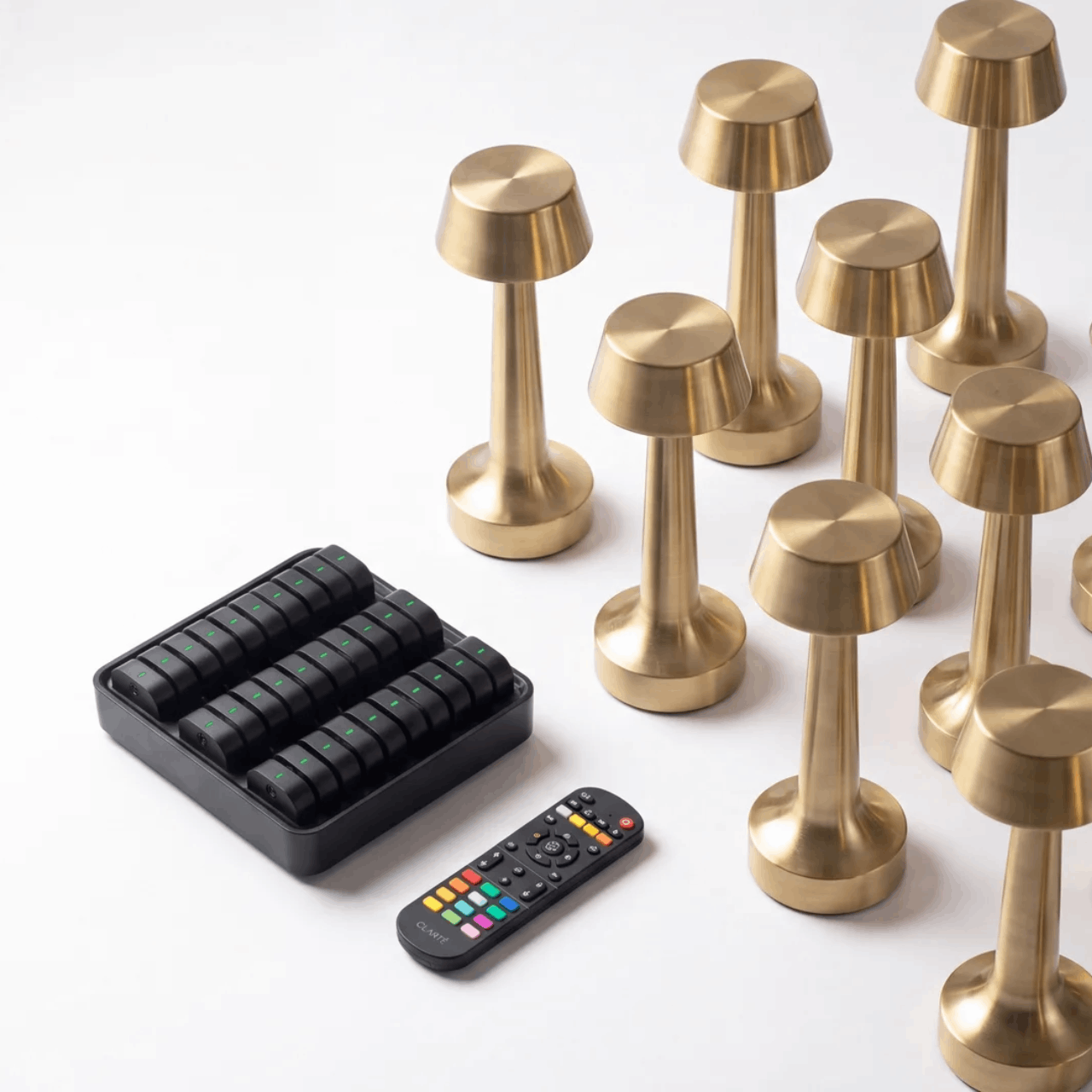
Lighting is not a better lamp. It is the part underneath that holds a room together. One hand, every table the same.
One warmth across the room, so it reads as a single decision. Dim one, all of them dim. Locked for the night, so no guest can move it. And when a battery runs low, it is swapped in seconds, so the table never goes dark mid service.
Light is what each lamp does alone. Lighting is what they do together, because you said so.
What we hold ourselves to
We only make cordless. We only build for hospitality.
No retail line, no seasonal rangeWe do not sell a lamp before it has earned it.
Proven over 1,500 servicesWe hold one warm tone. Never a cold one.
The colour of candlelightWe do not design for a showroom. We design for a Saturday.
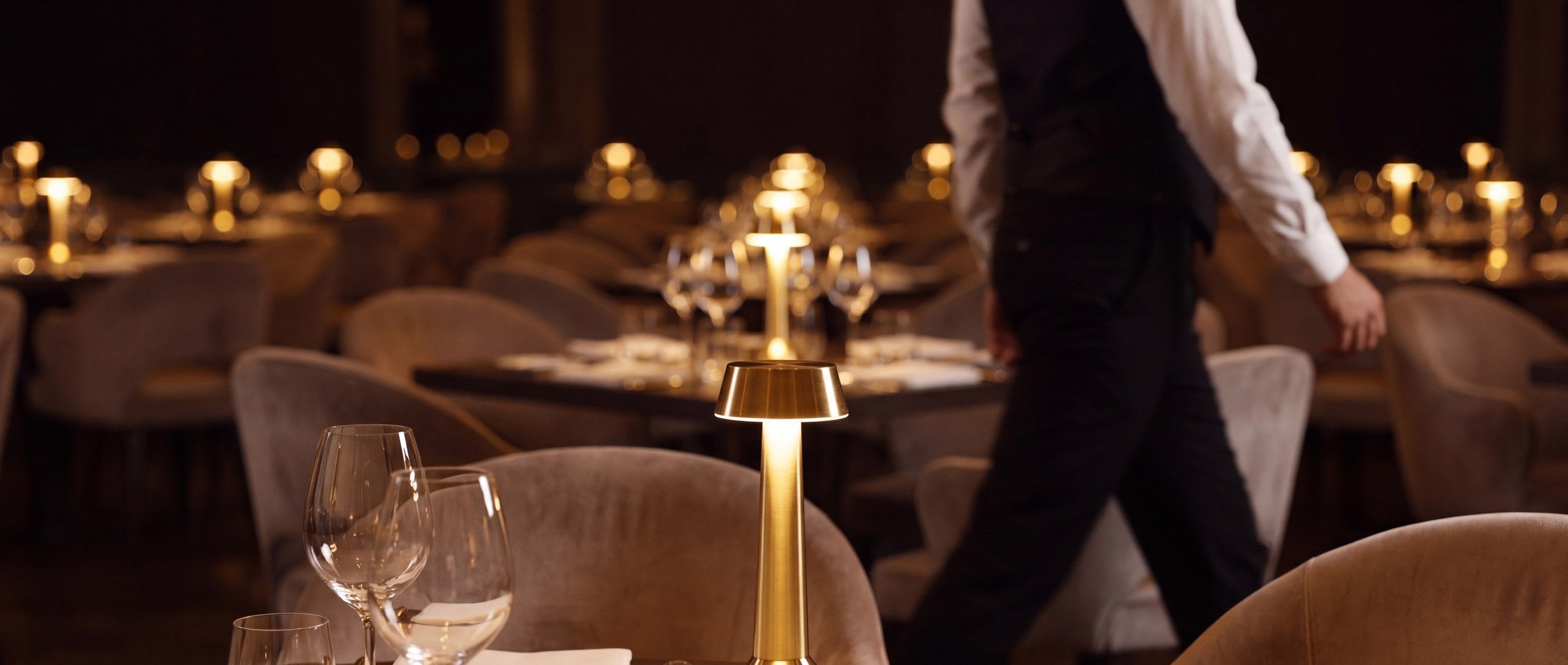
Built for daily serviceThe best rooms are not lit. They are lighted. On purpose.
Operators who confuse the two pay for both and get neither. If this is how you think about your room, there is a standard for it.